MARKUS EBNER
Wendepunkt
September 8 – November 11, 2006
*
MARKUS EBNER
Wendepunkt
September 8 – November 11, 2006
*
In 1977, in the alternative New York exhibition space Artists Space, the art critic Douglas Crimp presented a young group of artists under the exhibition title “Pictures”. The group, which included Sherrie Levine and Robert Longo among others, were united by one thing: their works were shaped by the practice of quoting, excerpting, copying and reproducing. A few years later, the term Appropriation Art was coined or this form of artistic practice, which critically addresses art’saddiction to innovation as well as the dominance of images in the mass media: Appropriation Art meaning the strategic borrowing of alien visual representations. An important forerunner in this context was Elaine Sturtevant, who reproduced images by Frank Stella or reworked silk-screenings by Warhol with the original printing screens as far back as the beginning of the 1960s.
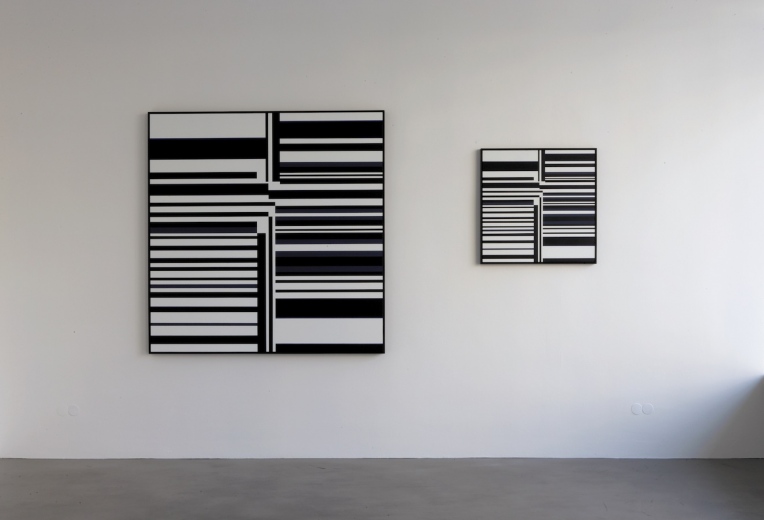
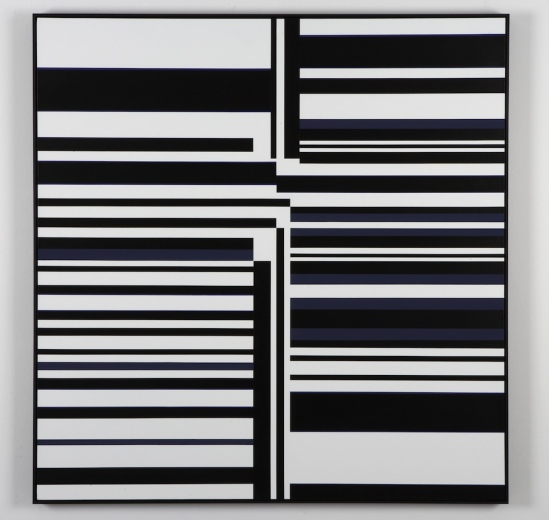
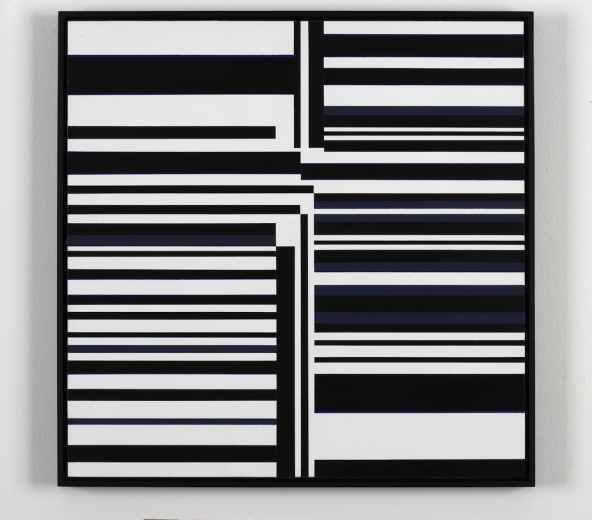
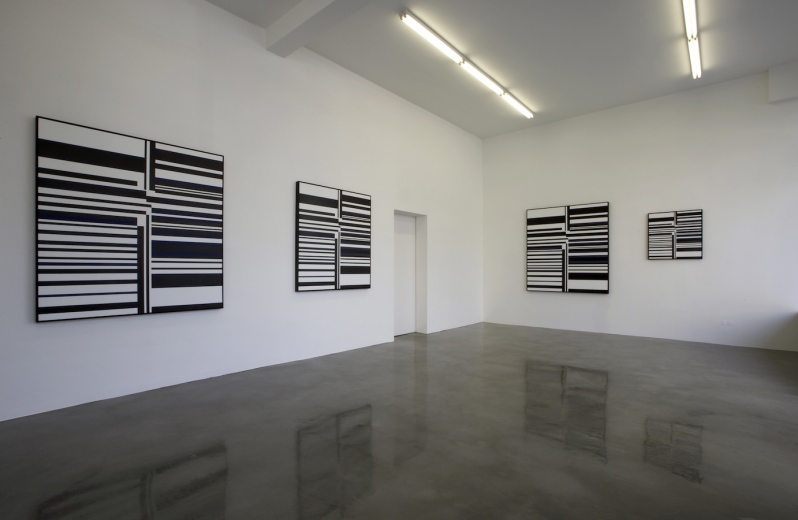
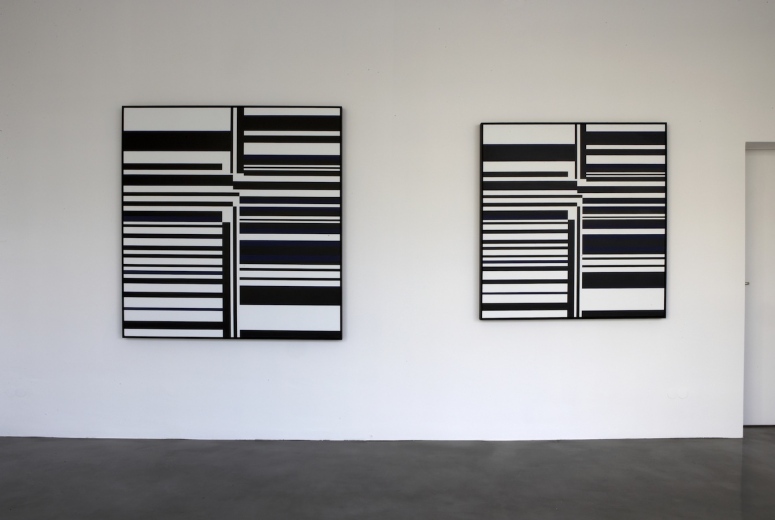
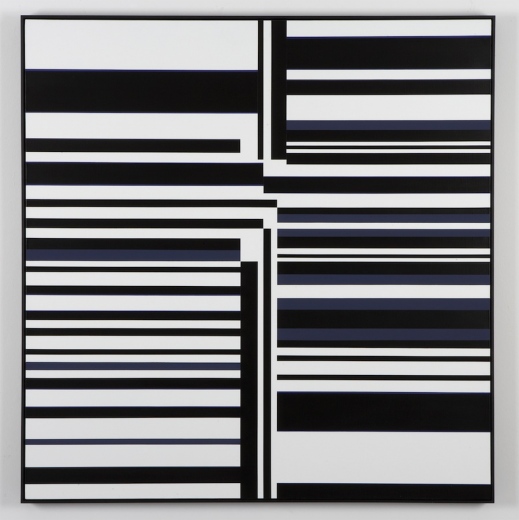
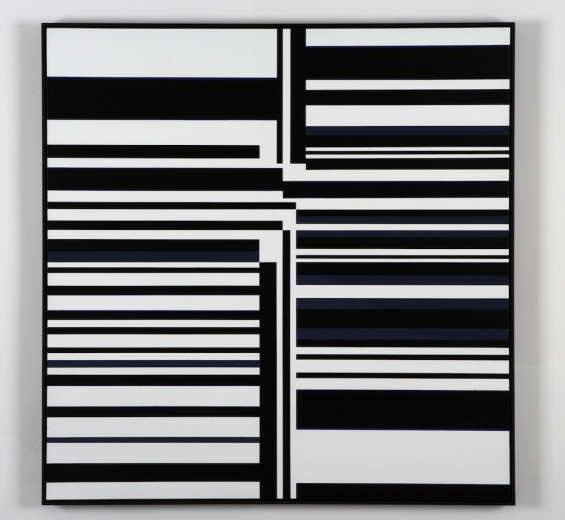
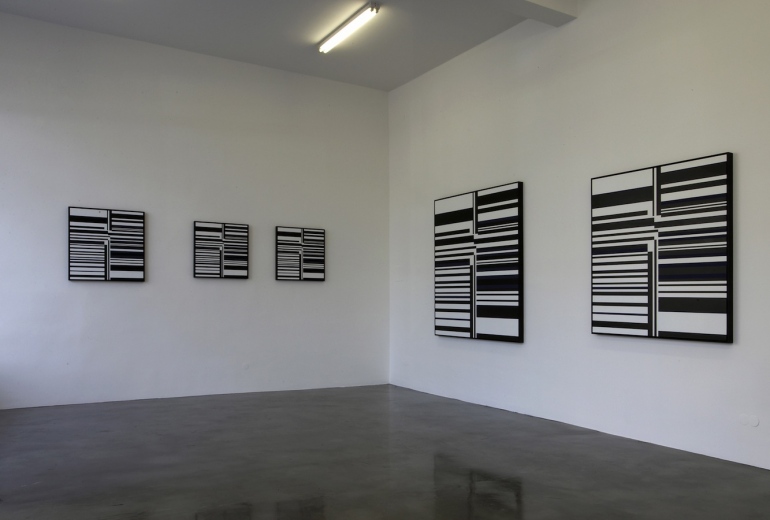
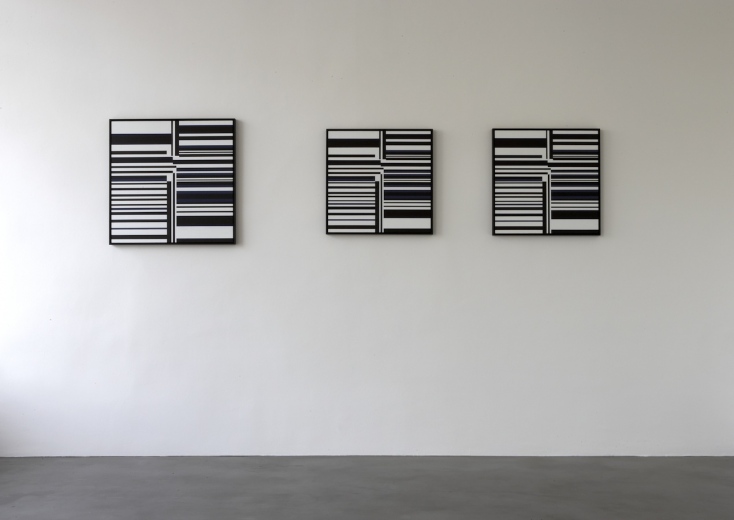
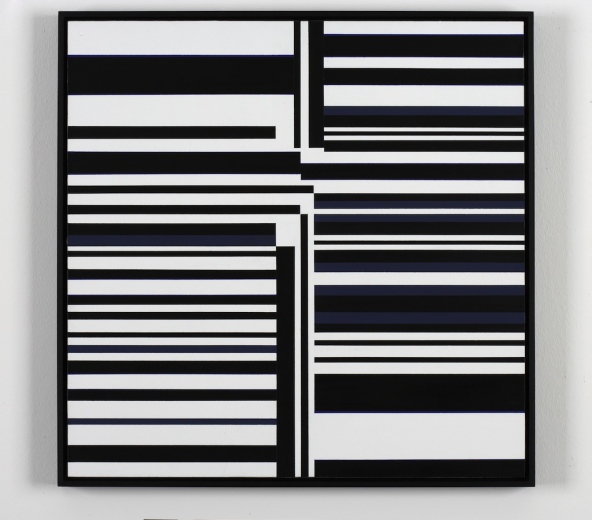
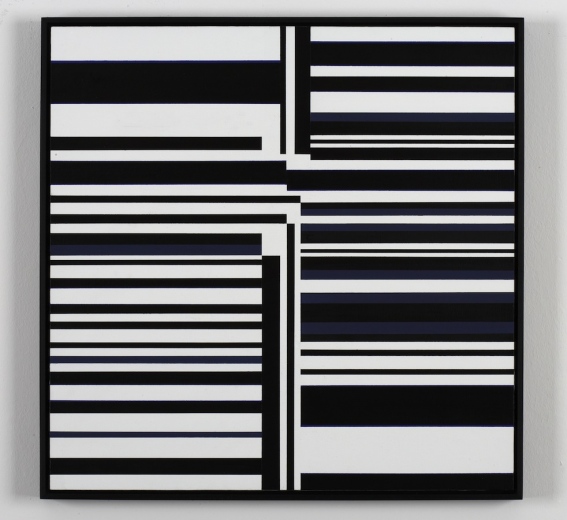
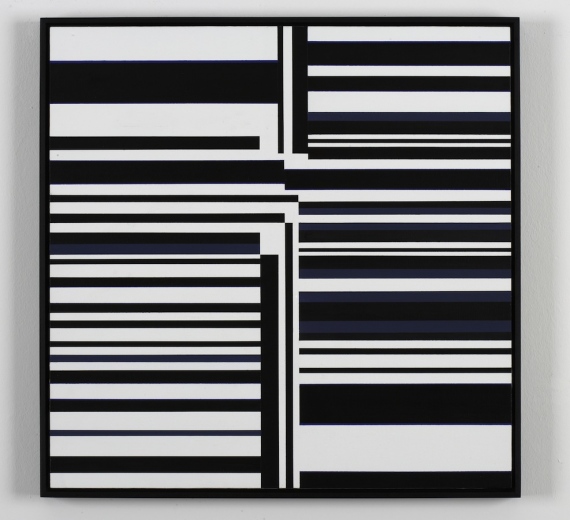
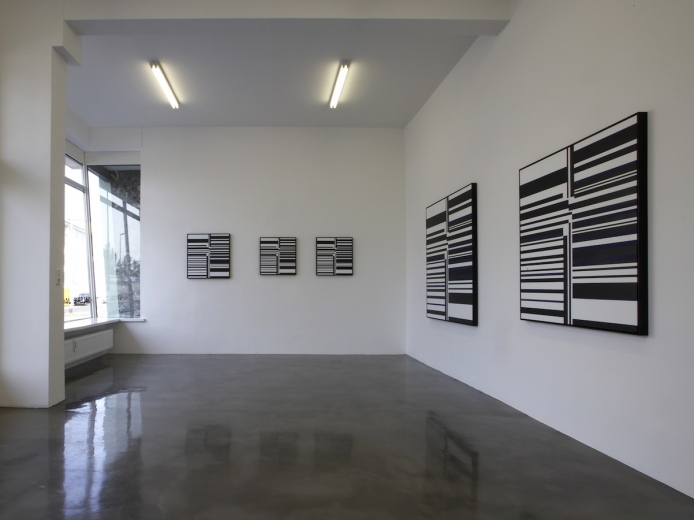
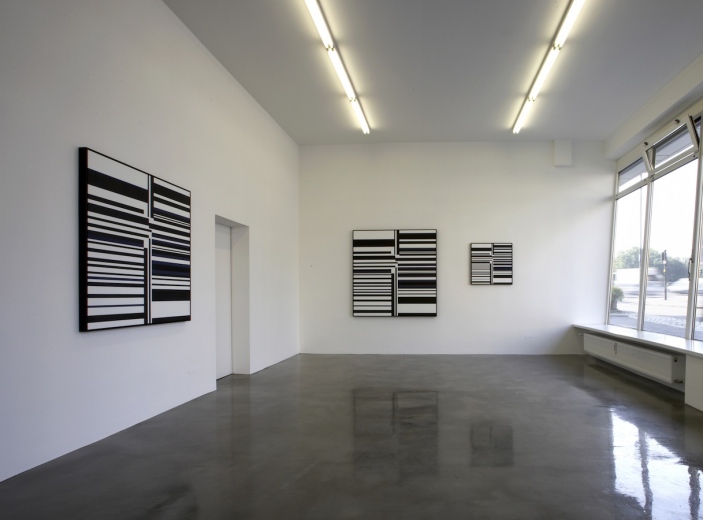
It is here that the work of Markus Ebner, who radically rejects the prevailing dictum to invent something new, ties in. On a conceptual basis, he poses the question of the possible content of art today, questions the precepts and contents of the Modern and post-Modern and the idle nature of a society that permanently quotes, repeats, and as a result is itself an “appropriator”. Ebner copies the work of his teacher Günther Fruhtrunk, possesses it, and allows it to become his own. Markus Ebner’s method of copying finds an art immanent motivation in the significant analogy to Fruhtrunk’s work processes themselves, which register numerous variations of one and the same motif over a period of many years. Three of the works from the composition acquired for the DaimlerChrysler collection, Dehnung nach Innen (Inward Expansion) from 1974 and 1975, are well known.
<It is all the more interesting how Ebner introduces this concept of repetition into the art of painting. For painting itself has such an ingrained acceptance of reproduction as a means to study works of art, whether within institutions of academia or within the private realm for the purpose of enjoyment. In contrast however to this accepted practice of artistic reproduction, Ebner offers forth a draft of the original works while at the same time denying access to the original paintings themselves. Ebner is certainly no “painting counterfeiter” nor is he simply a skilled copyist, for him the copying is taken as a position in view of the situation that too much energy is spent on “novelty” and too little on the complex perception of the qualities within the actual works of art. Ebner selected Günter Fruhtrunk’s work specifically because of both the style of the works and the superficial reception that the original works received. (…)
In this sense there can be seen to be extreme differences in meaning between the original works of Günter Fruhtrunk and those of Ebner. Fruhtrunk’s work is specifically located within the clear pictorial language in the philosophical spirit of the Frankfurt School, and is a manifestation of criticism for authoritarian and corrupt social structures. He presented this critique in public speeches, letters and essays with an incomparable radicalism. As Fruhtrunk exposed these ideas through radicalism, Ebner on the other hand watches from an aesthetic point of view as the clearness of the forms take on a wild spectacle as that of a short lived terror. Ebner is uncompromising in his perspective of instilled distance.> (Michael Hauffen)
Renate Wiehager
Minimalism and After, Catalogue DaimlerChrysler Collection, Hatje Cantz Verlag 2006
Unter dem Titel ›Pictures‹ präsentierte 1977 der Kunstkritiker Douglas Crimp in dem alternativen New Yorker Ausstellungsraum Artists Space eine junge Gruppe von Künstlern, untern ihnen Sherrie Levine und Robert Longo, die eines vereinte: ihre Arbeiten waren geprägt durch Verfahren des Zitierens, Exzerpierens, Kopierens und Reproduzierens. Einige Jahre später wurde für diese Form einer künstlerische Praxis, die sich kritisch mit der Innovationssucht der Kunst wie mit der Bilddominanz der Massenmedien auseinandersetzte, der Begriff der Appropiation Art geprägt: die strategische Aneignung fremder Bildlichkeit. Eine wichtige Vorläuferin in diesem Kontext war Elaine Sturtevant, die schon Anfang der 1960er Jahre Bilder von Frank Stella nachvollzog oder Siebdrucke Warhols mit den originalen Drucksieben nacharbeitete.
Hier knüpft das Werk von Markus Ebner an, der sich dem herrschenden Diktum, etwas Neues zu erfinden, radikal verweigert. Auf konzeptueller Basis stellt er die Frage nach dem möglichen Inhalt der Kunst heute, befragt Vorgaben und Inhalte von Moderne und Postmoderne und den Leerlauf einer Gesellschaft, die permanent zitiert, wiederholt und dadurch selbst eine ›Appropiative‹ ist.
Ebner kopiert das Werk seines Lehrers Günther Fruhtrunk, besetzt es und lässt es zu seinem Eigenen werden. Eine kunstimmanente Motivation findet Markus Ebners Methode der Wiederholung in der signifikanten Analogie zu Fruhtrunks Arbeitsprozessen selbst, welche zahlreiche Varianten ein- und desselben Motivs über Jahre hinweg verzeichnen. Von der für die Sammlung DaimlerChrysler erworbenen Komposition Dehnung nach Innen sind drei Arbeiten in unterschiedlichen Formaten aus den Jahren 1974 und 1975 bekannt.
»Ebner setzt keine neuen Bilder in die Welt, und bietet den Beobachtern seiner Werke nichts anderes an, als das Erlebnis, das sie angesichts der Bilder seines Vorbildes schon einmal gehabt haben könnten, zu wiederholen. Für ihn ist schon allein die erfolgreiche Herstellung von Werken, die er seit den Zeiten seines Studiums an der Kunstakademie bewundert hat, sicherlich ein Genuss. Aber dazu kommt noch der gelungene Coup, der darin besteht, den formellen Zwang zur Originalität zu unterlaufen, indem das originelle Objekt verweigert, aber ein neues Konzept im Umgang mit diesem Zwang angeboten wird. Denn Ebner ist sicherlich kein Bildfälscher oder bloß handwerklich operierender Kopist: für ihn bedeutet das Kopieren vielmehr darüber hinaus das Einnehmen einer Position angesichts einer Situation, in der zuviel Energie auf die Produktion von Neuheiten, und zuwenig auf die komplexe Wahrnehmung ihrer Qualitäten verwendet wird. (…)
Während Fruhtrunk seine aggressiv klare Bildsprache ganz im Geiste der Frankfurter Schule als Manifestationen einer Kritik an autoritären und korrupten gesellschaftlichen Strukturen verstanden wissen wollte, und dies in Vorträgen, Briefen und Texten mit einer Radikalität vorgebracht hat, die Seinesgleichen sucht, nimmt Ebner die klaren und strengen Formen vor allem aus der Perspektive eines Ästheten wahr, dem das wilde Spektakel immer neuer kurzlebiger Stile als Terror erscheint, und der sich davon deutlich und kompromisslos distanzieren will.« (Michael Hauffen)
Renate Wiehager
aus: Minimalism and After, Kat. Sammlung DaimlerChrysler, Hatje Cantz Verlag 2006